

When it comes to sewing and textile production, knowing the right stitch can make all the difference. Among the many types of sewing stitches, two of the most commonly used are the whip stitch and the lock stitch. Each has unique features, uses, and benefits, making them suitable for different applications in handcrafts and industrial sewing.
What Is a Whip Stitch?

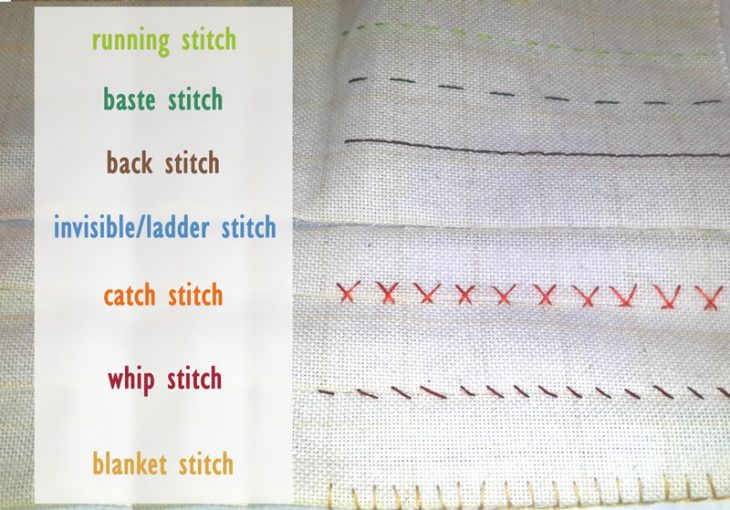
The whip stitch is a simple hand-sewing technique where the thread wraps around the edge of the fabric, creating diagonal stitches. This stitch is easy to do and often used for edge finishing, hand repairs, or decorative purposes.
Features of whip stitch:
- Usually done by hand
- Uses a single thread
- Wraps around the fabric edge
- Ideal for small-scale sewing or craft projects
Common uses: closing pillow openings, joining felt pieces, finishing blanket edges, or quick repairs.
What Is a Lock Stitch?


A lock stitch is one of the most widely used types of sewing stitches in machine sewing. It is made by two threads: an upper thread from the needle and a lower thread from the bobbin. The threads lock inside the fabric, forming a strong and durable seam.
Features of lock stitch:
- Made by a sewing machine
- Uses two threads (needle + bobbin)
- Threads interlock inside the fabric
- Provides a clean, balanced, and strong seam
Common uses: garment construction, bedding products like pillowcases and blankets, upholstery, and most industrial textile sewing projects.
Key Differences Between Whip Stitch and Lock Stitch
| Feature | Whip Stitch | Lock Stitch |
|---|---|---|
| Method | Hand sewing | Sewing machine |
| Thread | Single | Two (needle + bobbin) |
| Structure | Wraps around fabric edge | Threads lock inside fabric |
| Strength | Medium | Strong |
| Usage | Edge finishing, repairs, crafts | Garments, bedding, industrial sewing |
Choosing the Right Stitch
Understanding different types of sewing stitches helps you decide which method fits your project:
- Use whip stitch for hand-finishing, small repairs, or decorative edges.
- Use lock stitch for strong, durable seams in bedding, garments, or large-scale production.
For home textile products like blankets and pillow covers, lock stitch is often the best choice because it ensures durability, clean appearance, and consistent quality.
Conclusion
Knowing the difference between whip stitch and lock stitch is essential for both DIY sewing and industrial textile production. By understanding the main types of sewing stitches, you can choose the right technique to create strong, beautiful, and professional-quality products.